Head And Neck Cancers

Head And Neck Cancers | Antalya Plastic Surgery

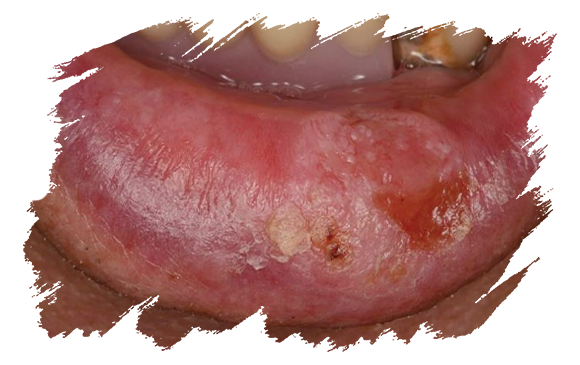
Lip cancer

Lip cancer occurs on the skin of the lips. Lip cancer can occur anywhere along the upper or lower lip, but is most common on the lower lip. Lip cancer is considered a type of mouth (oral) cancer.
Most lip cancers are squamous cell carcinomas, which means they begin in the thin, flat cells in the middle and outer layers of the skin called squamous cells.
Lip cancer risk factors include excessive sun exposure and tobacco use. You may reduce your risk of lip cancer by protecting your face from the sun with a hat or sunblock, and by quitting smoking.
Treatment for lip cancer usually involves surgery to remove the cancer. For small lip cancers, surgery may be a minor procedure with minimal impact on your appearance.
For larger lip cancers, more extensive surgery may be necessary. Careful planning and reconstruction can preserve your ability to eat and speak normally, and also achieve a satisfactory appearance after surgery.

Signs and symptoms of lip cancer include:

  • A flat or slightly raised whitish discoloration of the lip
  • A sore on your lip that won’t heal
  • Tingling, pain or numbness of the lips or the skin around the mouth

When to see a doctor

Make an appointment with your doctor if you have any persistent signs or symptoms that worry you.

Causes

It’s not clear what causes lip cancer.

In general, cancer starts when cells develop changes (mutations) in their DNA. A cell’s DNA contains the instructions that tell the cell what to do. The changes tell the cell to begin multiplying uncontrollably and to continue living when healthy cells would die. The accumulating cells form a tumor that can invade and destroy normal body tissue.

Head And Neck Cancers | Antalya Plastic Surgery

Risk factors

Factors that can increase your risk of lip cancer include:

  • Tobacco use of any kind, including cigarettes, cigars, pipes, chewing tobacco and snuff, among others
  • Fair skin
  • Excessive sun exposure to your lips
  • A weakened immune system

Prevention

To reduce your risk of lip cancer, you can:

  • Stop using tobacco or don't start. If you use tobacco, stop. If you don't use tobacco, don't start. Using tobacco, whether smoked or chewed, exposes the cells in your lips to dangerous cancer-causing chemicals.
  • Avoid the sun during the middle of the day. The sun's rays are strongest between about 10 a.m. and 4 p.m in the summer. Schedule outdoor activities for other times of the day in the summer.
  • Use a broad-spectrum sunscreen with an SPF of at least 30, even on cloudy days. Apply sunscreen generously, and reapply every two hours — or more often if you're swimming or perspiring.
  • Avoid tanning beds. Tanning beds emit UV rays and can increase your risk of lip cancer.

Lip Cancer Treatment

The goals in the treatment of lip cancer are to:

  • cure the cancer
  • preserve your appearance and the function of your lips
  • prevent the cancer from coming back

The extent and depth of the cancer guides your plan of care. Surgery is the most common treatment for lip cancer. If the cancer is more advanced, radiation, chemotherapy, or both may be used to shrink the tumor before or after surgery to reduce the risk of the cancer coming back.

People who have surgery to remove large lip cancers may require cosmetic surgery, as well as help from experts trained in rehabilitation for speech, chewing, and swallowing.

Lip Cancer Surgery

For early-stage cancers, a surgeon removes the cancerous tissue and a very small area of healthy tissue surrounding the cancer (called a margin). The incision is closed with sutures. The sutures inside the mouth and on the lip will dissolve. Non-dissolvable sutures are used on the skin.

Head And Neck Cancers | Antalya Plastic Surgery

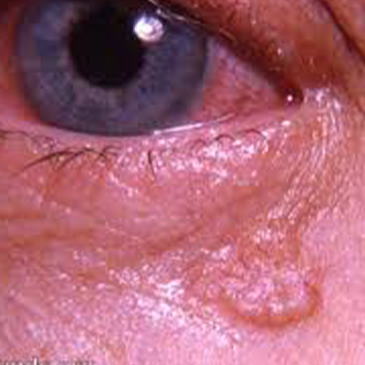
The abnormal growth of skin cells — most often develops on skin exposed to the sun. But this common form of cancer can also occur on areas of your skin not ordinarily exposed to sunlight.
There are three major types of skin cancer — basal cell carcinoma, squamous cell carcinoma and melanoma.
You can reduce your risk of skin cancer by limiting or avoiding exposure to ultraviolet (UV) radiation. Checking your skin for suspicious changes can help detect skin cancer at its earliest stages. Early detection of skin cancer gives you the greatest chance for successful skin cancer treatment.

Types

  1. Basal cell carcinoma
  2. Melanoma
  3. Nonmelanoma skin cancer
  4. Squamous cell carcinoma of the skin

Symptoms

Skin cancer develops primarily on areas of sun-exposed skin, including the scalp, face, lips, ears, neck, chest, arms and hands, and on the legs in women. But it can also form on areas that rarely see the light of day — your palms, beneath your fingernails or toenails, and your genital area.

Skin cancer affects people of all skin tones, including those with darker complexions. When melanoma occurs in people with dark skin tones, it’s more likely to occur in areas not normally exposed to the sun, such as the palms of the hands and soles of the feet.

Basal cell carcinoma signs and symptoms

Basal cell carcinoma usually occurs in sun-exposed areas of your body, such as your neck or face.

Basal cell carcinoma may appear as:

  • A pearly or waxy bump
  • A flat, flesh-colored or brown scar-like lesion
  • A bleeding or scabbing sore that heals and returns

Squamous cell carcinoma signs and symptoms

Most often, squamous cell carcinoma occurs on sun-exposed areas of your body, such as your face, ears and hands. People with darker skin are more likely to develop squamous cell carcinoma on areas that aren’t often exposed to the sun.

Squamous cell carcinoma may appear as:

  • A firm, red nodule
  • A flat lesion with a scaly, crusted surface

Melanoma signs and symptoms

Melanoma can develop anywhere on your body, in otherwise normal skin or in an existing mole that becomes cancerous. Melanoma most often appears on the face or the trunk of affected men. In women, this type of cancer most often develops on the lower legs. In both men and women, melanoma can occur on skin that hasn’t been exposed to the sun.

Melanoma can affect people of any skin tone. In people with darker skin tones, melanoma tends to occur on the palms or soles, or under the fingernails or toenails.

Melanoma signs include:

  • A large brownish spot with darker speckles
  • A mole that changes in color, size or feel or that bleeds
  • A small lesion with an irregular border and portions that appear red, pink, white, blue or blue-black
  • A painful lesion that itches or burns
  • Dark lesions on your palms, soles, fingertips or toes, or on mucous membranes lining your mouth, nose, vagina or anus

We always prefer excisional treatment of skin cancers including a margin of normal tissue where possible as the safest treatment that ensure complete removal of cancer cells.

What are the steps of a skin cancer removal procedure?

Depending on the size, type and location of the lesion, there are many ways to remove skin cancer and reconstruct your appearance if necessary.

The following are some of the possible procedure steps involved in skin cancer removal surgery:

Step 1 – Anesthesia

Medications are administered for your comfort during the surgical procedures. The choices include local, intravenous sedation and general anesthesia. We will recommend the best choice for you.

Step 2 – Removal

A small or contained lesion may be removed with excision – a simple surgical process to remove the lesion from the skin. Closure is most often performed in conjunction with excision.


Skin cancer can be like an iceberg. What is visible on the skin surface sometimes is only a small portion of the growth.

Beneath the skin, the cancerous cells cover a much larger region and there are no defined borders. In these cases, we may use frozen sections during the removal of your skin cancer to discover and define the borders of the cancerous area. Frozen sections are small parts of the tissue that are removed and immediately sent to the pathologist. These pieces of tissue are then quickly frozen so that he or she can examine them for cancer cells at the time of removal of the cancer. This helps us make sure that all of the cancer has been removed.

Step 3 – Reconstruction

A skin cancer lesion that is particularly large, is being removed with frozen sections or is likely to cause disfigurement may be reconstructed with a local flap (also called “adjacent tissue rearrangement”).

Healthy, adjacent tissue is repositioned over the wound. The suture line is positioned to follow the natural creases and curves of the face if possible, to minimize the obviousness of the resulting scar. Several variations of local flap procedures may be used to reconstruct a specific area of the face or body, and your surgeon will describe these techniques and resulting scar patterns that are tailored to your specific anatomy. More complex wounds may require more than one procedure (or “stage”) to achieve a satisfactory result.

We may choose to treat your wound with a skin graft instead of a local flap. A skin graft is a thin bit of skin removed from one area of the body and relocated to the wound site.

Lymph node surgery

If lymph nodes near a squamous or basal cell skin cancer are enlarged, weor might biopsy them to check for cancer cells Sometimes, many nodes might be removed in a more extensive operation called a lymph node dissection. The nodes are then looked at under a microscope for signs of cancer. This type of operation is more extensive than surgery on the skin and is usually done while you are under general anesthesia (in a deep sleep).

Prof. Dr ASIM AYDIN

Plastik Cerrah

Sizi Arayalım

    Head And Neck Cancers | Antalya Plastic Surgery

    Mouth cancer is a type of cancer that comes under the umbrella term "cancers of the head and neck".

    Other types of head and neck cancer include:

    • cancer of the larynx – the voice box
    • cancer of the nasopharynx – the area at the back of the nose that forms the top part of the throat (pharynx)
    • cancer of the oropharynx – the part of the throat that is directly behind the mouth
    • cancer of the hypopharynx – the part of the throat that is directly behind the larynx
    • cancer of the nose and sinuses

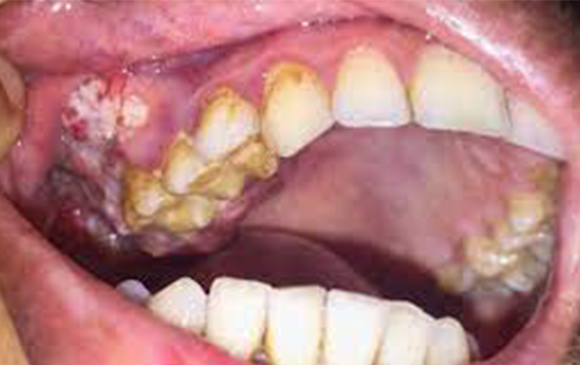
    Mouth cancer, also known as oral cancer, is where a tumour develops in a part of the mouth. It may be on the surface of the tongue, the inside of the cheeks, the roof of the mouth (palate), the lips or gums.

    Tumours can also develop in the glands that produce saliva, the tonsils at the back of the mouth, and the part of the throat connecting your mouth to your windpipe (pharynx). However, these are less common.

    Symptoms of mouth cancer

    The symptoms of mouth cancer include:

    • mouth ulcers that are painful and do not heal within several weeks
    • unexplained, persistent lumps in the mouth or the neck that do not go away
    • unexplained loose teeth or sockets that do not heal after extractions
    • unexplained, persistent numbness or an odd feeling on the lip or tongue
    • sometimes, white or red patches on the lining of the mouth or tongue These can be early signs of cancer, so they should also be checked
    • changes in speech, such as a lisp

    See a GP or dentist if these symptoms do not get better within 3 weeks, particularly if you drink or smoke.

    Find out more about the symptoms of mouth cancer.

    Types of mouth cancer

    Mouth cancer is categorised by the type of cell the cancer (carcinoma) starts to grow in.

    Squamous cell carcinoma is the most common type of mouth cancer, accounting for 9 out of 10 cases.

    Squamous cells are found in many areas of the body, including the inside of the mouth and in the skin.

    Less common types of mouth cancer include:

    • adenocarcinoma, which is cancers that develop inside the salivary glands
    • sarcoma, which grows from abnormalities in bone, cartilage, muscle or other tissue
    • oral malignant melanoma, where cancer starts in the cells that produce skin pigment or colour (melanocytes). These appear as very dark, mottled swellings that often bleed
    • lymphoma, which grows from cells usually found in lymph glands, but they can also grow in the mouth

    What causes mouth cancer?

    Things that increase your risk of developing mouth cancer include:

    Treating mouth cancer

    There are three main treatment options for mouth cancer, including:

    • surgery to remove the cancerous cells, along with a tiny bit of the surrounding normal tissue or cells to ensure the cancer is completely removed
    • radiotherapy – where beams of radiation are directed at the cancerous cells
    • chemotherapy – where powerful medicines are used to kill cancerous cells

    These treatments are often used in combination. For example, surgery may be followed by a course of radiotherapy to help prevent the cancer returning.

    As well as trying to cure mouth cancer, treatment will focus on preserving important functions of the mouth, such as breathing, speaking and eating. Maintaining the appearance of your mouth will also be a high priority.

    Surgery

    The aim of surgery for mouth cancer is to remove any affected tissue while minimising damage to the rest of the mouth.

    If the cancer is advanced, it may be necessary to remove part of your mouth lining and, in some cases, facial skin. This can be replaced using skin taken from elsewhere on your body, such as your forearm or chest (a skin graft).

    If your tongue is affected, part of it will have to be removed, called a partial glossectomy. 

    The tongue may be left to heal on its own – this usually takes 3 to 4 weeks – or it may need to be reconstructed using grafted tissue.

    If the cancer has invaded deep into your jawbone, the affected part of the jaw will need to be removed. 

    Surgeons now use a complex technology called 3D printing to plan the reconstruction so that the replacement bone matches the removed bone almost exactly.

    The grafted bone is kept alive by carefully joining tiny arteries and veins under a microscope (microvascular surgery). This increases the length of the operation.

    The bone and muscle used for this replacement is usually taken from the lower leg, hip or shoulder blade. Dental implants can often be put into the new bone so that dental bridges can be made to replace lost teeth.

    Occasionally, other bones, such as cheekbones, may have to be removed to get rid of the cancer completely.

    These can be replaced with bone from other parts of your body, or a specialist dentist can make an extensive denture called an obturator, which holds the cheek out from the inside to give a relatively normal appearance.

    During surgery, your surgeon may also remove lymph nodes near the site of the initial tumour. This is often done as a preventative measure in case they contain a small number of cancerous cells that cannot be detected on any scans.


    The thought of having reconstructive facial surgery can be worrying. Your surgeon should explain the operation to you in detail and answer any questions you have.

    You may also find it helpful to talk to other people who've had the same operation.

    Glossectomy

    Glossectomy is the name of the surgery used to remove tongue cancers. For smaller cancers, only part of the tongue may need to be removed (partial glossectomy). For larger cancers, a more substantial portion of the tongue may need to be taken out.


    Reconstruction of the tongue is often part of the care plan.For example, we frequently bring a skin and subcutaneous tissue from a distant site to rebuild the tongue. Using microsurgical techniques, we connect the tiny blood vessels and nerves of the skin tissue to those in the neck.

    Mandibulectomy

    A mandibulectomy (also called mandibular resection) involves the removal of part of the jawbone (mandible) when a tumor is very close or attached to the bone. A mandibulectomy is most common for mouth cancers that begin in the lower gums or the floor of the mouth.

    The amount of bone that needs to be removed during a mandibulectomy varies according to the location of your tumor.

    In some cases, your surgeon may recommend removal of just a rim of the underlying jawbone. This is called a marginal mandibulectomy. No reconstruction of the jawbone is needed, and it does not affect the shape of the jaw.


    Other times, your surgeon may recommend that the full thickness of the mandible be removed. This is called a segmental mandibulectomy.  Tooth bearing segments of the mandible are usually rebuilt by bringing  the part of a distant bone again through a microsurgical technique

    Maxillectomy

    Maxillectomy is a surgery to remove bones that make up the hard palate (the bony front part of the roof of the mouth) or the nasal sinuses. It is most commonly recommended for mouth cancers that begin in the hard palate or the upper gums.


    The space in the roof of the mouth that this operation creates can be addressed with either reconstructive surgery or a custom-fit obturator. The obturators usually work quite satisfactorily in replacing missing upper jaw from both aesthetic and functional standpoints.

    Lymph Node Removal During Mouth Cancer Surgery

    Mouth cancers often spread to the lymph nodes in the neck first. Removing the lymph nodes in the neck (and other nearby tissue) may be done at the same time as the surgery to remove the mouth cancer. The goal of this procedure is to remove lymph nodes shown to contain, or that are likely to contain, cancer and to reduce the chance that the cancer may return in the future. Lymph node removal is most commonly recommended for cancers that begin in the tongue, the floor of the mouth, or the lower gums.We perform these procedures by preserving normal structures in the neck to leave minimal effects of surgery.

    Reconstructive Surgery for Mouth Cancer

    Reconstructive surgery for mouth cancer often involves the transplantation of tissue from one area of your body to the affected area of your mouth. This involves a microsurgical approach called free tissue transfer. This is when a plastic surgeon transfers a piece of your own tissue, along with the blood vessels, to the area where the cancer was removed in order to repair the surgical site. Tiny sutures (stitches) are used to connect the small blood vessels of the tissue to the blood vessels in the neck. That allows the transferred tissue to thrive and heal properly